

Designing a product you can live in
Pacific Vans · Founder / Product Designer · Physical Product
Taking fifteen years of digital product thinking into the physical world.
After years designing software, mobile applications and automotive interfaces, I became interested in a different design problem.
Could the same principles I used to simplify complex digital products be applied to an entire physical environment?
That became Pacific Vans.
The problem is space
A campervan looks simple until you start defining the requirements.
It needs to be simultaneously:
a vehicle + bedroom + kitchen + electrical system + water system + storage system + workspace + equipment hauler.
And everything has to fit into a few square metres.
That’s a UX problem.
Just without pixels.
Understanding how the product will actually be used
I don’t begin with cabinetry.
I begin with the person.
Where are they going?
What equipment do they carry?
Do they mountain bike, surf, ski or work remotely?
How many people need to sleep?
What needs to remain accessible when the bed is being used?
What happens when equipment is wet?
How long will they live off-grid?
These questions become the equivalent of user stories for a physical product.
Requirements become architecture
Just as software requires information architecture, a van requires spatial architecture.
Sleeping, cooking, storage, water, electrical systems and equipment compete for the same limited volume.
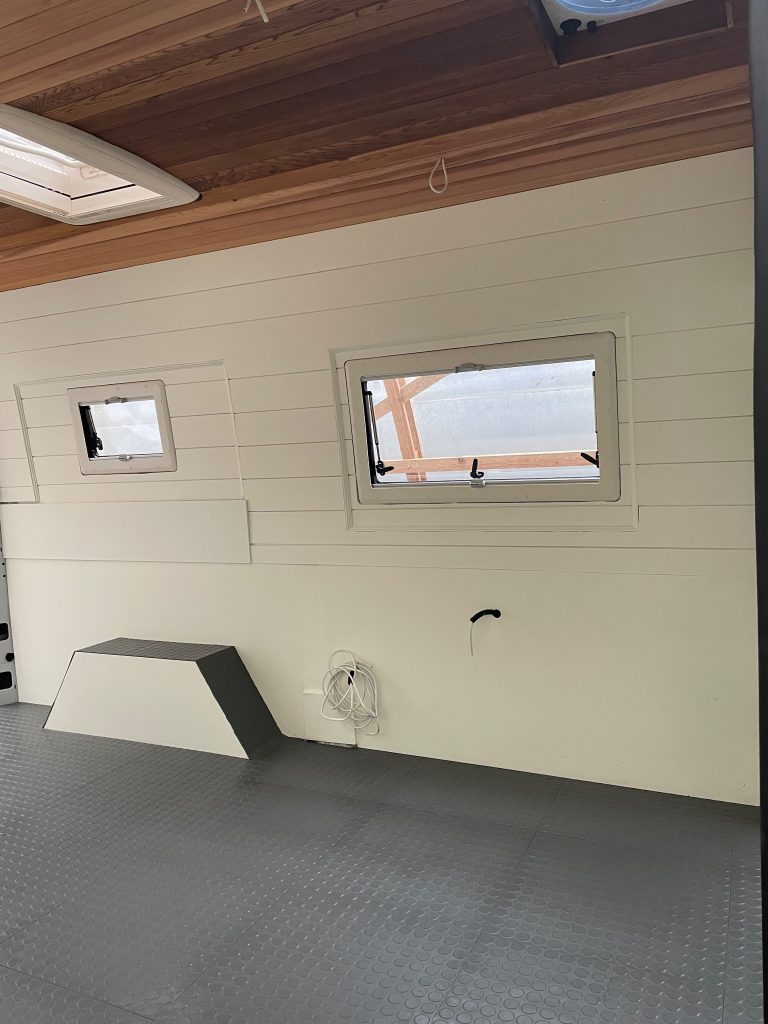
I explore layouts in 3D before fabrication, testing relationships between people, equipment and systems.


Designing systems, not objects
A cabinet isn’t simply a cabinet.
It affects circulation.
Which affects the bed.
Which affects bicycle storage.
Which affects electrical-system placement.
Which affects weight distribution.
Which affects how the van drives.
Physical product design makes system dependencies impossible to ignore.
The solution is therefore designed as one interconnected product rather than a collection of individual components.
Prototyping becomes building
Ideas move from:
Requirements → sketches → CAD → prototypes → fabrication → use → iteration
There’s no abstraction between the designer and the final experience.
If something is awkward to reach, difficult to maintain or uncomfortable to use, the design problem becomes immediately obvious.
Basecamp
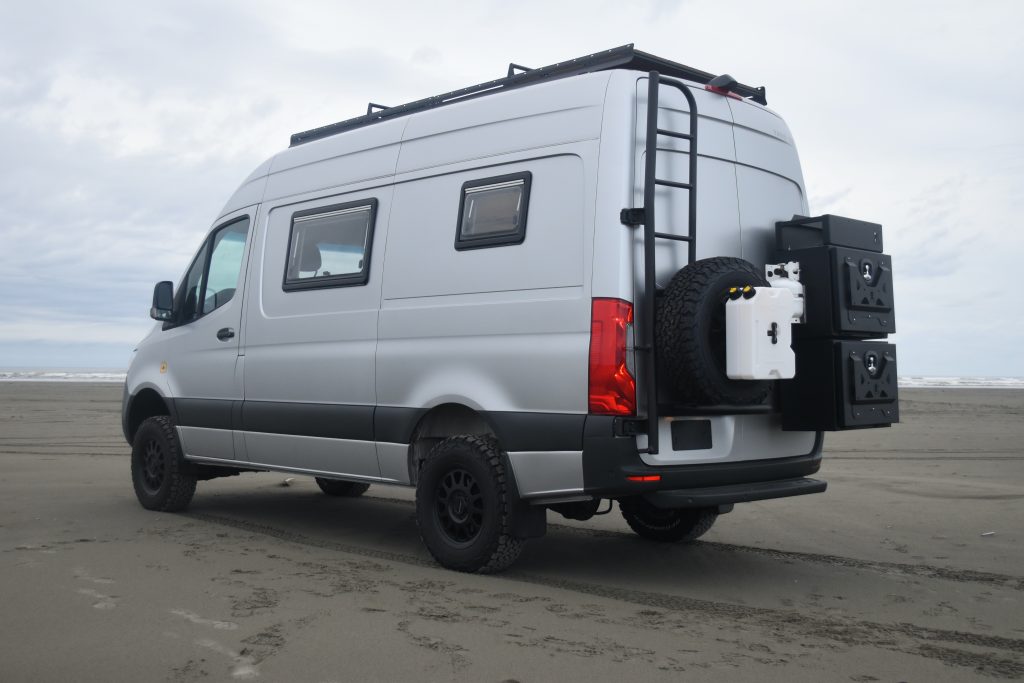

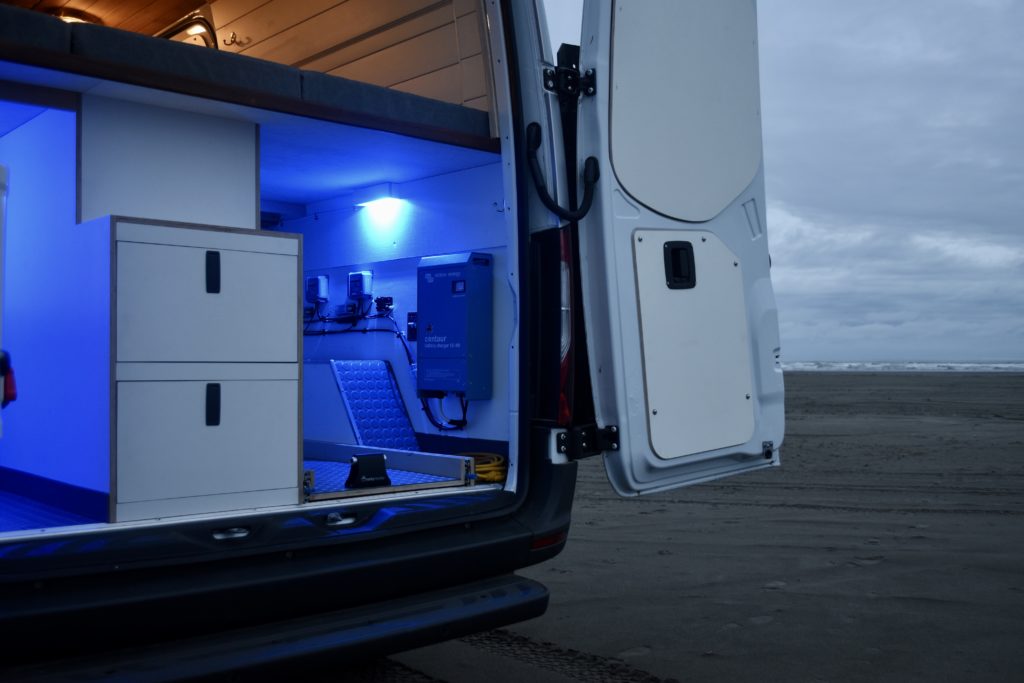
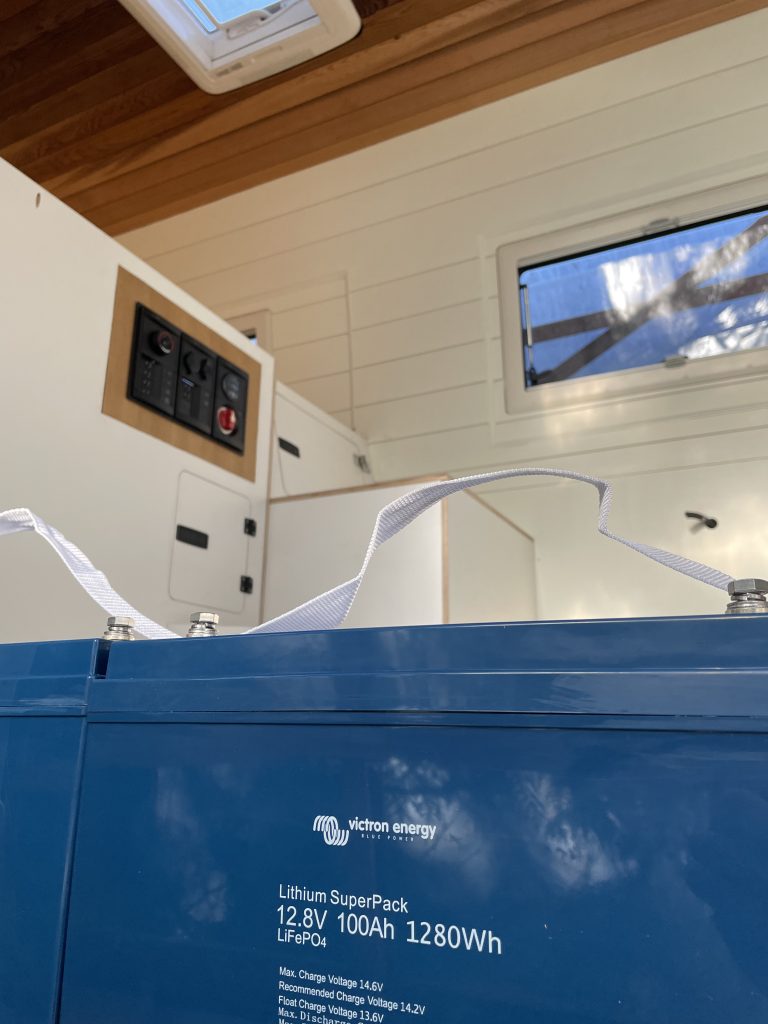
A campervan designed around what happens outside it.
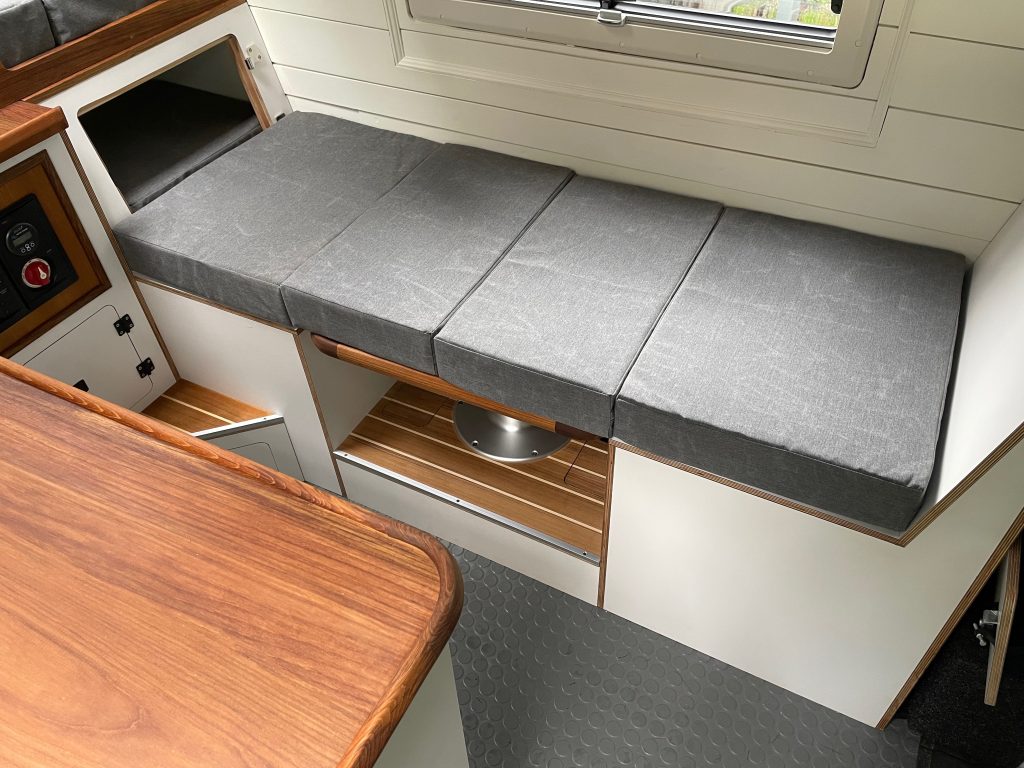
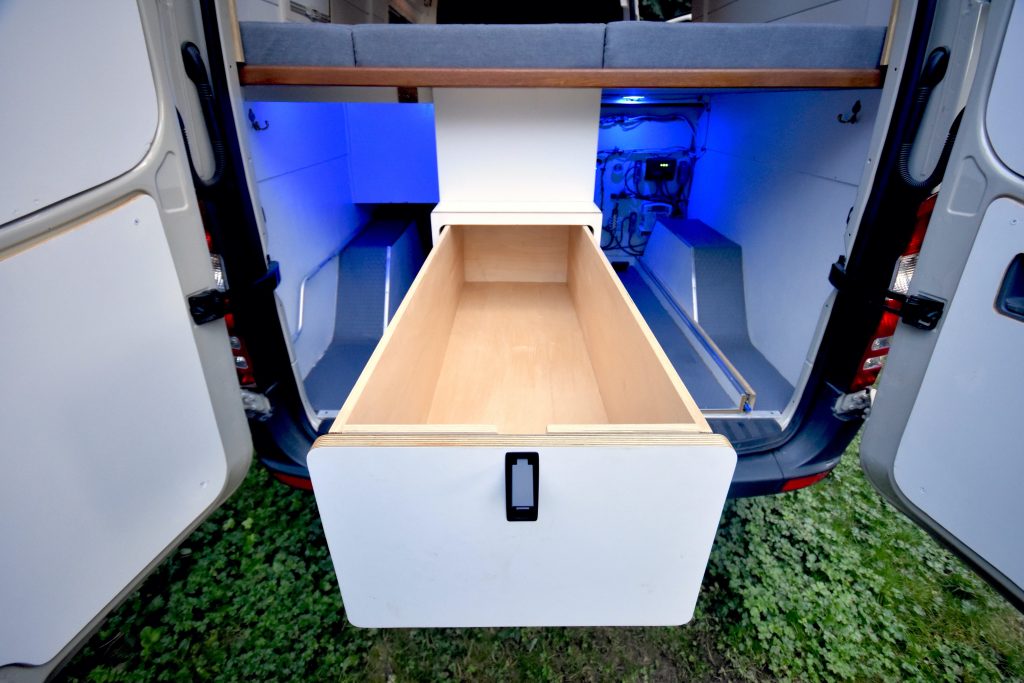
Basecamp was designed around an active outdoor lifestyle rather than maximizing the number of conventional RV features.
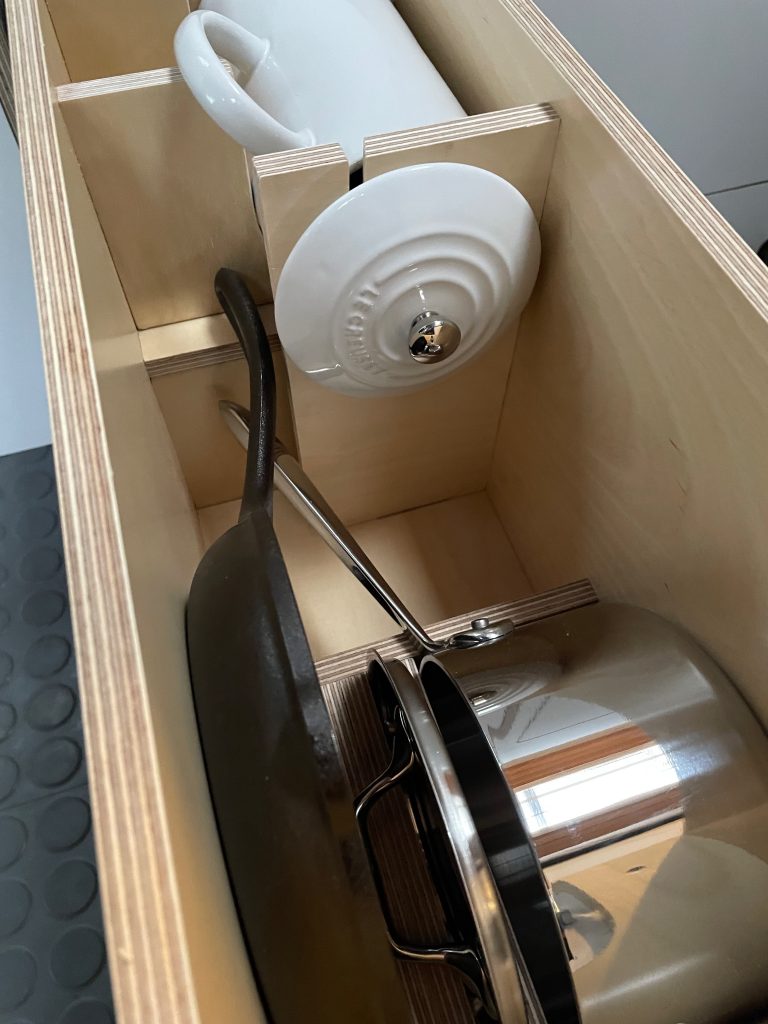
The result prioritizes open space, durable materials, equipment storage and simple systems over unnecessary complexity.
From pixels to plywood
The medium changed. The design process didn’t.
Whether I’m designing incident-management software, an automotive interface or a campervan, my approach remains fundamentally the same:
Understand the person. Understand the constraints. Reduce complexity. Prototype. Build. Learn. Refine.